All Categories
Featured
Why Scratched Surfaces Need Immediate Hardwood Floor Clea...
Maximizing Longevity for Your Luxury Vinyl Surfaces

How to Preserve the Richness of Dark Wood Floors
Table of Contents
New Standards for Surface Restoration in 2026

Homeowners and property managers across the United States are moving away from the costly cycle of tearing out and replacing old flooring. In 2026, the focus has shifted toward high-tech restoration that brings back the original character of stone, tile, and hardwood. These modern methods do not just clean surfaces; they use molecular science to repair and protect them for the long term. This approach saves thousands of dollars in material costs and avoids the waste associated with traditional demolition.
The current year has seen a rise in specialized treatments that address the specific environmental challenges of the Mid-South. In areas like the local region, high humidity levels often lead to moisture-related issues within porous grout and stone. Traditional mopping and scrub-brush cleaning often fail to reach the bacteria and stains trapped deep within these surfaces. Modern techniques now utilize targeted energy and bio-based chemistry to extract contaminants without damaging the structural integrity of the home.
Molecular Bonding and Advanced Sealants
One of the most significant changes in 2026 is the widespread adoption of nanotechnology in sealants. Older silicone-based sealers sat on top of the tile or stone, creating a film that eventually peeled or turned yellow. Current technology involves silane-based molecules that penetrate deep into the pores of the material. These molecules form a covalent bond with the surface, effectively becoming part of the stone or grout rather than a temporary coating.
These sealants are particularly effective for homeowners seeking HydroClean Carpet & Floor Care Inspection because they provide a permanent barrier against oils, wine, and dirt. Because the bond occurs at a microscopic level, the surface remains breathable. This breathability is essential for natural stone like marble or slate, which can crack or discolor if moisture becomes trapped beneath a non-porous layer. In 2026, these sealants are often infused with antimicrobial agents that prevent the growth of mold and mildew in damp environments like bathrooms and kitchens.
Ultrasonic Grout Cleaning Methods
Cleaning grout has historically been the most tedious part of floor maintenance. In 2026, technicians have moved beyond high-pressure steam, which can sometimes blow out weakened grout lines. Instead, ultrasonic cavitation has become the preferred method for deep cleaning. This process uses high-frequency sound waves to create microscopic bubbles in a cleaning solution. When these bubbles collapse, they release energy that dislodges dirt and grease from the smallest crevices of the grout.
This method is non-abrasive and highly efficient. It allows for the restoration of light-colored grout even in high-traffic commercial spaces or busy residential kitchens. Following a deep ultrasonic clean, many property owners opt for color sealing. This involves applying a specialized epoxy-based pigment that restores the uniform color of the grout while providing an additional layer of protection against future staining.
Restoring Hardwood with UV-Cured Finishes
Hardwood restoration has also seen a major shift toward speed and durability. In previous years, refinishing a floor meant vacating a home for several days while finishes dried and odors dissipated. By 2026, the industry standard has moved to UV-cured finishes. These coatings are applied and then instantly hardened using a portable ultraviolet light machine. This process results in a finish that is significantly harder than traditional oil or water-based polyurethanes.
Because the finish cures instantly, there is no "wait period" for furniture replacement or foot traffic. HydroClean Carpet & Floor Care Grout Maintenance Information has become a favorite for families and businesses that cannot afford lengthy downtime. Furthermore, these finishes are designed to be low-VOC (volatile organic compounds), ensuring that the air quality inside the home remains safe immediately after the job is finished. The durability of these UV-cured floors is nearly double that of older finishes, resisting scratches from pets and heavy furniture more effectively.
Regional Climate Considerations for the United States
The climate in the Tennessee Valley, including areas like Jackson and Brownsville, places unique stress on hard surfaces. The swing between hot, humid summers and damp winters causes natural materials like wood and stone to expand and contract. This movement often leads to hairline cracks in grout or gaps in hardwood planks. Specialists in 2026 use flexible resins that can bridge these gaps while maintaining a watertight seal.
Property owners are also paying more attention to the outdoor-to-indoor transition. Mud and red clay common in the region can act as an abrasive, grinding down the finish on tile and wood. Modern restoration includes the application of "hard-wear" topcoats in entryways and mudrooms. These coatings are specifically engineered to withstand the friction of grit and sand, preserving the aesthetic of the floor even in the busiest households.
Sustainability and the 2026 Circular Economy
Environmental impact is a primary driver for restoration services this year. The manufacturing of new ceramic tile and the quarrying of natural stone are energy-intensive processes. By choosing to restore rather than replace, consumers significantly reduce their carbon footprint. Most restoration chemicals in 2026 are biodegradable and derived from plant-based sources, moving away from the harsh acids and solvents that were common a decade ago.
This shift toward green chemistry does not mean a loss in potency. Bio-enzymatic cleaners actually perform better on organic stains like pet accidents or food spills because they "eat" the protein chains that cause odors and discoloration. These enzymes continue to work for several hours after the initial application, providing a level of cleanliness that traditional chemicals cannot match. The growing demand for HydroClean Carpet & Floor Care for Homeowners is a clear indicator that homeowners value both high-end results and ecological responsibility.
Maintaining the Results
Restoration is only half of the equation; maintenance in 2026 has been simplified by the very technology used during the restoration process. Surfaces treated with molecular sealants no longer require harsh detergents. In most cases, pH-neutral cleaners and microfiber technology are all that is needed to keep a floor looking like new. Many homeowners now use robotic mopping systems that are programmed to recognize different surface types and apply the appropriate amount of moisture.
Professional inspections remain a standard practice for maintaining luxury surfaces. A quick check every 24 to 36 months allows technicians to touch up high-wear areas before the protective seal is breached. This proactive approach ensures that the "natural beauty" of the material is never obscured by layers of wax or dirt. In the local markets of Alamo and Bells, property values have seen a steady increase when these high-end finishes are professionally maintained, as the floors often serve as a focal point for prospective buyers.
The advancements seen in 2026 demonstrate that any hard surface can be reclaimed. Whether it is a historic marble entryway or a modern porcelain kitchen floor, the combination of acoustic cleaning, molecular sealing, and UV curing provides a level of restoration that was once thought impossible. By focusing on the science of the material, property owners can enjoy the timeless appeal of stone and wood without the burden of constant maintenance or the need for premature replacement.

Latest Posts
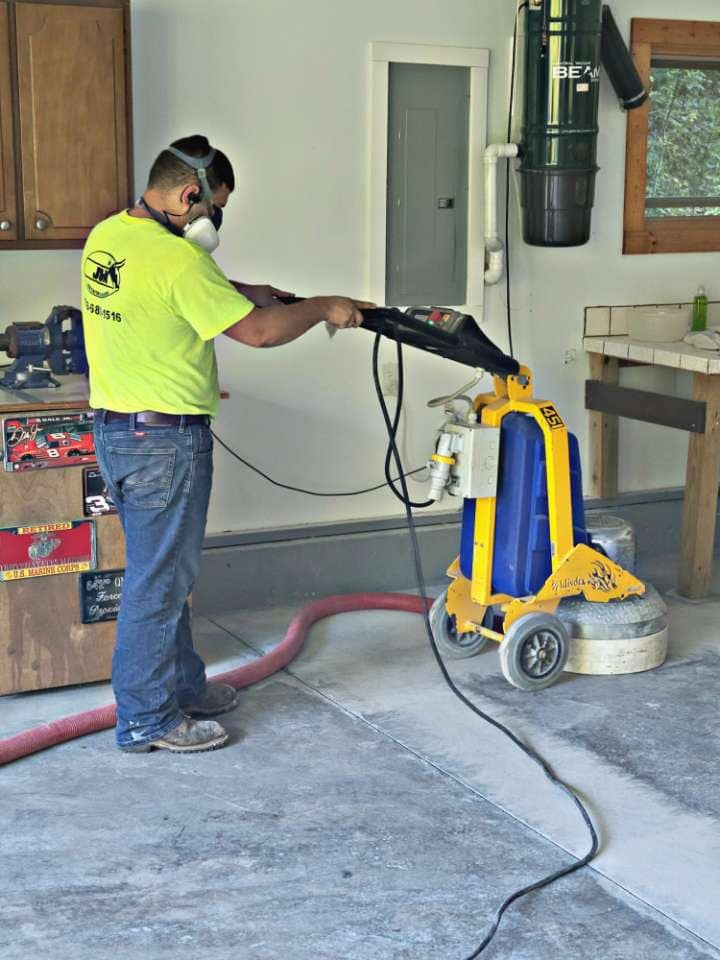
Why Scratched Surfaces Need Immediate Hardwood Floor Cleaning
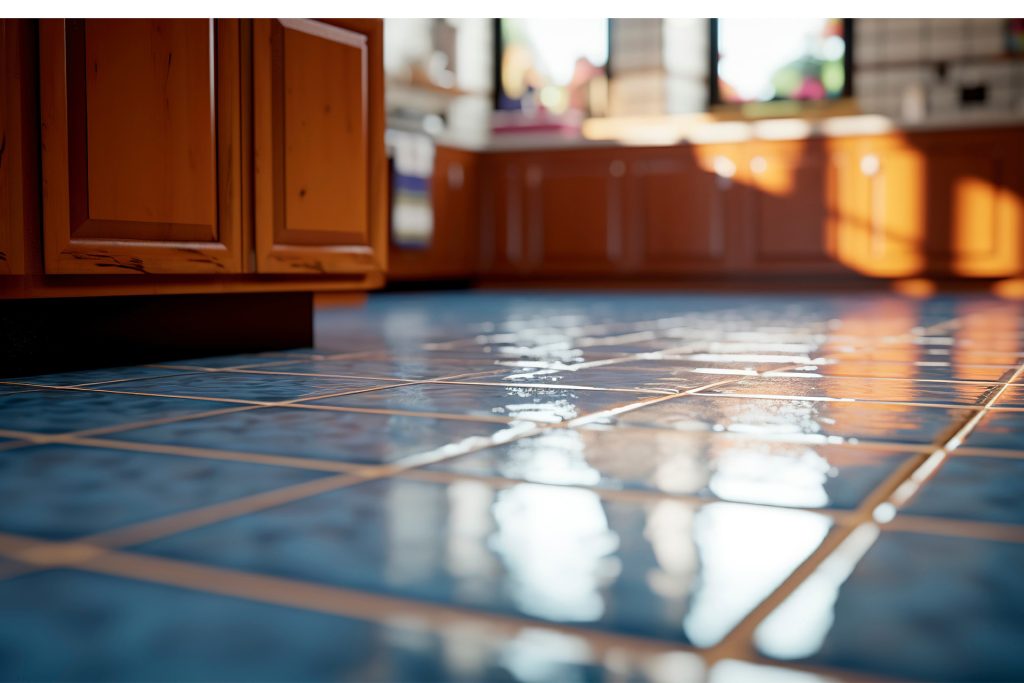
Maximizing Longevity for Your Luxury Vinyl Surfaces
How to Preserve the Richness of Dark Wood Floors