All Categories
Featured
Why Scratched Surfaces Need Immediate Hardwood Floor Clea...
Maximizing Longevity for Your Luxury Vinyl Surfaces

Maximizing Longevity for Your Luxury Vinyl Surfaces
Table of Contents
The year 2026 has marked a significant shift in how homeowners and property managers approach the care of high-end surfaces. While natural stone remains a premier choice for kitchens, foyers, and outdoor living spaces across the United States, the methods used to maintain these materials have undergone a massive upgrade. The reliance on harsh acids and abrasive scrubbing is a relic of the past. Today, the focus is on molecular-level preservation and precision cleaning that respects the geological integrity of the material. In regions like the local market, where historic architecture meets modern design, the need for specialized surface care has never been higher.
Natural stone is a porous material, a fact that many property owners discover too late. Whether it is the soft limestone found in classic Tennessee estates or the dense granite used in contemporary builds, every slab contains a network of microscopic pores. These openings act like tiny sponges, pulling in spills, oils, and particulate matter. Over time, this deep-seated contamination dulls the finish and can even lead to structural degradation through salt crystallization or freeze-thaw cycles. The 2026 approach to stone restoration prioritizes the extraction of these impurities without damaging the stone face.
Advanced Surface Restoration in 2026
The latest cleaning protocols involve ultrasonic cavitation and pH-neutral specialized surfactants. This technology allows technicians to lift dirt from the deepest pores of marble and travertine without the risk of etching. Etching, a chemical burn caused by acidic substances like vinegar or citrus, was once a common cause of permanent damage in American homes. By 2026, the industry has shifted toward bio-derived cleaners that break down organic proteins and oils on contact. These solutions are particularly effective for surfaces in high-moisture areas like bathrooms or poolside patios in the humid climate of the local area.
Once a surface is cleaned to its original state, the focus shifts to protection. Modern sealants are no longer simple topical coatings that sit on the surface. In 2026, the standard is penetrating impregnators that bond with the stone at a molecular level. These sealants are oleophobic and hydrophobic, meaning they repel both water-based and oil-based stains. This is a critical advancement for residents who enjoy the aesthetic of white marble but fear the permanence of a red wine spill or a grease splash. With a properly applied seal, these liquids bead up on the surface, allowing for easy removal before they can penetrate the mineral structure.
The demand for high-quality maintenance often leads property owners to seek professional help. Those with significant investments in their flooring and countertops often find that expertise in HydroClean Carpet & Floor Care Info provides the necessary assurance that the work will be done correctly. Professional technicians now use moisture meters and gloss-reading sensors to determine exactly how much sealant a particular stone needs, avoiding the sticky residue often left behind by DIY attempts.
The Role of Tile and Hardwood in Modern Interiors
While stone is a focal point, many homes in the Tennessee area feature a mix of materials, including ceramic tile and traditional hardwood. Each of these surfaces requires a different chemical and mechanical approach. Tile grout, for instance, is often more porous than the tile itself. In 2026, grout color sealing has become a standard practice. This involves applying a pigmented epoxy-based sealer that not only protects the grout from staining but also allows homeowners to change the color of their floor without a full renovation. This process creates a uniform appearance that is much easier to maintain than raw cementitious grout.
Hardwood surfaces also benefit from the 2026 technological surge. Dust-contained sanding and UV-cured finishes mean that floors can be refinished in a fraction of the time it took a decade ago. These finishes are extremely durable, measuring high on the Janka hardness scale, and they emit zero volatile organic compounds. This health-conscious approach is a priority for families in the surrounding region, ensuring that home restoration does not compromise indoor air quality. The synergy between stone, tile, and wood care ensures that the entire property maintains a cohesive, high-value appearance.

Recent data indicates that HydroClean Carpet & Floor Care Specialty Wood Services has become a staple for homeowners who want to preserve the equity in their residences. Regular maintenance schedules have replaced the "wait and see" attitude that often led to expensive replacement projects. By 2026, the consensus among real estate professionals is that well-maintained original flooring can add 5 to 10 percent to the resale value of a home in the United States.
Regional Geological Factors and Stone Care
The geography of the South, particularly around West Tennessee, presents unique challenges for stone maintenance. The local clay-heavy soil can be tracked into homes, acting as a fine abrasive on polished floors. Furthermore, the high humidity levels can encourage the growth of mildew in the pores of outdoor flagstone or slate. In 2026, specialists use vapor-permeable sealers that allow the stone to "breathe." This allows moisture trapped within the stone or the subfloor to escape as vapor, preventing the cloudy appearance or "spalling" that occurs when water is trapped behind a non-breathable topical sealer.
For outdoor surfaces like patios and walkways in Alamo or Brownsville, the 2026 standard involves heavy-duty penetrating sealants that include UV inhibitors. The intense Tennessee sun can break down cheaper sealants within a single season, leaving the stone vulnerable. High-grade professional sealants are designed to withstand 100-degree Fahrenheit temperatures and the occasional winter freeze without cracking or yellowing. This durability is essential for maintaining the curb appeal of properties in the local market.
Expertise in professional surface care is particularly relevant when dealing with historic materials. Many older homes in the region feature hand-carved mantels or original penny tile that requires a gentle touch. Using high-pressure washers on these materials can be catastrophic, as it can strip away the patina or blow out the original mortar. Instead, the current preference is for low-pressure steam and soft-bristled agitation, preserving the history of the home while removing decades of grime.

Sustainable Practices in Surface Maintenance
Sustainability has moved from a niche interest to a core requirement in 2026. The surfactants used in modern cleaning are often derived from renewable plant sources rather than petroleum. These cleaners are just as effective as their predecessors but are safer for pets and children. Sealing technology has also evolved to be more eco-friendly, with water-based carriers replacing many of the harsh solvent-based systems of the past. This shift has been driven by both consumer demand and stricter environmental standards across the United States.
Homeowners are also being educated on the proper daily care of their surfaces. In 2026, the use of microfiber mops and distilled water is frequently recommended for maintaining the shine on polished marble. The goal is to minimize the buildup of soap scum, which is a common byproduct of using generic floor cleaners found in big-box stores. These film-forming cleaners eventually hide the natural beauty of the stone, creating a hazy look that requires professional stripping to resolve. Proper education on maintenance is as much a part of the service as the cleaning itself.
The persistent demand for HydroClean Carpet & Floor Care for Jackson Clients suggests that people are moving away from the "disposable" mentality of previous decades. Instead of replacing a floor because it looks aged, property owners are investing in restoration. This is not only more cost-effective but also reduces the environmental impact associated with quarrying and shipping new stone from thousands of miles away. Restoring a 2,000-square-foot limestone floor produces a tiny fraction of the carbon footprint compared to installing a new one.
As we move through 2026, the art of natural stone cleaning and sealing continues to blend scientific precision with an appreciation for natural aesthetics. Whether the surface is a rare quartzite or a common ceramic tile, the principles of deep extraction and molecular protection remain the same. For residents in the Tennessee area, these services offer a way to keep their homes looking pristine while ensuring that the natural materials they love will last for generations. The evolution of this industry reflects a broader commitment to quality, health, and the preservation of the built environment.
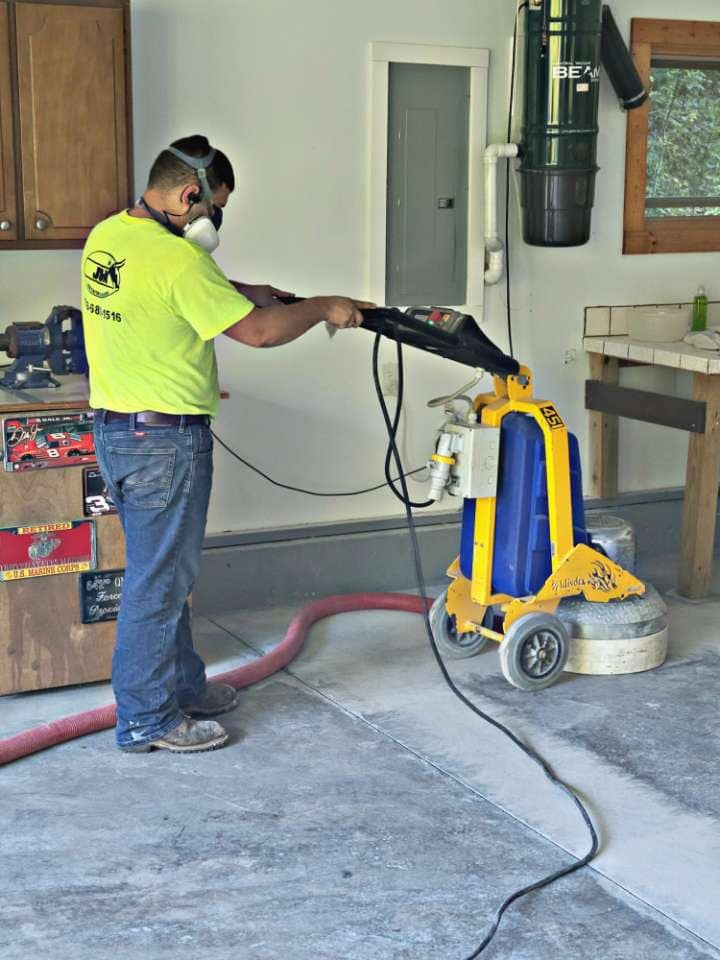
Modern equipment, such as planetary floor machines and high-speed burnishers, allows for a level of finish that was previously only achievable in a factory setting. This means that a scratched and dull travertine floor can be honed and polished back to a mirror-like shine in a matter of days. This transformation is often the highlight of a home renovation, providing a literal and metaphorical polish to the living space. By choosing the right technology and the right frequency of care, the natural beauty of these surfaces remains an asset rather than a maintenance burden.

Latest Posts
Why Scratched Surfaces Need Immediate Hardwood Floor Cleaning
Maximizing Longevity for Your Luxury Vinyl Surfaces

How to Preserve the Richness of Dark Wood Floors